
What it is, how much you need, and why it matters
Protein is one of the most talked about nutrients in health and fitness. It is often associated with muscle building, gym culture, or specific diets. At the same time, many people are unsure what protein actually does, how much they need, or whether they should be thinking about it at all.
This article explores protein in a clear and grounded way. We look at what protein is, how much intake appears to support health for most people, which factors can change individual needs, and what research says about protein sources, supplements, and potential risks at both low and high intakes.
What is protein
Protein is a macronutrient made up of smaller units called amino acids. These amino acids are used by the body to build and repair tissues, produce enzymes and hormones, support immune function, and maintain muscle mass.
According to the National Institutes of Health, protein is essential for nearly every structure and process in the body, not just muscle tissue.
Unlike carbohydrates and fats, the body does not store large reserves of protein. This means regular intake through food is important to support ongoing needs.
How much protein do most people need
Protein needs are often discussed using body weight. Public health recommendations typically refer to a baseline intake of around 0.8 grams of protein per kilogram of body weight per day (0.36 grams per pound). This value, outlined by organizations such as the World Health Organization and the US National Academies, is the minimum intake suggested to prevent deficiency in the general population and not the set amount you’re supposed to eat every day.
However, many modern studies suggest that slightly higher intakes may better support muscle maintenance, satiety, and metabolic health for many people. A commonly discussed range is 1.0 to 1.6 grams per kilogram of body weight per day (0.45 to 0.73 grams per pound) depending on lifestyle and goals.
For example:
- An average adult weighing 70 kg (about 154 lbs) might meet basic needs around 55 g of protein per day, while intakes closer to 70 to 110 g may support better fullness, muscle maintenance, and overall resilience
Protein distribution also matters. Research suggests spreading protein across meals rather than concentrating it into one meal may support muscle protein synthesis more effectively.
Factors that influence protein needs
Protein requirements are not the same for everyone. Several factors can increase or decrease how much protein feels supportive.
These include:
- Body size and composition
- Physical activity and movement levels
- Age, particularly older adulthood
- Energy intake and dieting history
- Health status and recovery needs
For example, older adults tend to require more protein relative to body weight to maintain muscle mass, a concept discussed in aging research published by the National Institutes of Health.
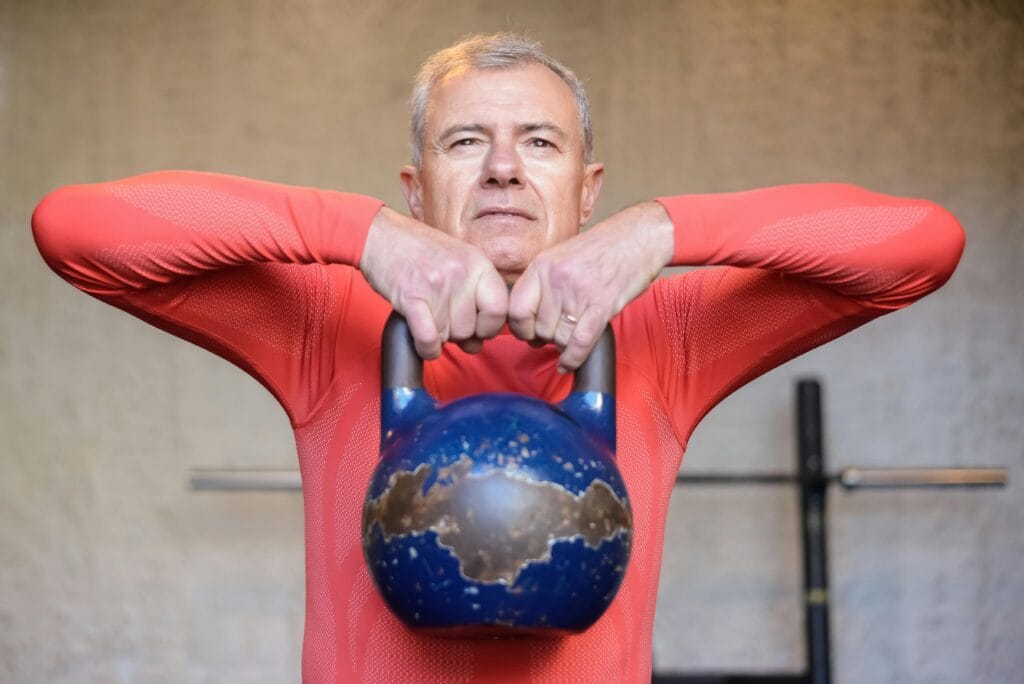
Protein needs for older adults
As people age, the body becomes less efficient at using protein to build and maintain muscle. This phenomenon is sometimes referred to as anabolic resistance.
Because of this, many experts suggest higher protein intakes for older adults compared to younger adults. Research summarized by organizations such as the European Society for Clinical Nutrition and Metabolism suggests that older adults may benefit from intakes closer to 1.0 to 1.2 grams per kilogram (0.45 to 0.55 grams per pound) of body weight per day, and in some cases up to 1.5 grams per kilogram (0.68 grams per pound) when maintaining muscle and strength is a priority.
For example:
- An older adult weighing 70 kg (about 154 lbs) may benefit from roughly 70 to 105 g of protein per day to support muscle, mobility, and independence
Equally important is protein quality and timing. Including sufficient protein at each meal, along with resistance based movement, appears to support muscle preservation and functional health.
Protein needs during pregnancy
During pregnancy, protein requirements increase to support fetal growth, placental tissue, and changes in the mothers body. Research referenced by the National Institutes of Health and the Institute of Medicine indicates that protein needs rise especially during the second and third trimesters.
Current guidance suggests that pregnant individuals may benefit from roughly 1.1 grams of protein per kilogram (0.5 grams per pound) of body weight per day, though needs vary based on body size, activity level, and overall diet quality.
Rather than focusing on exact numbers, research emphasizes consistent intake from varied sources to support both maternal health and fetal development.
Protein and muscle building
When the goal is to build muscle, protein needs tend to increase. Research in exercise nutrition consistently shows that higher protein intake supports muscle protein synthesis when combined with resistance training.
Studies often cite intake ranges between 1.6 and 2.2 grams per kilogram (0.72 to 1 grams per pounds) of body weight per day for individuals actively training to build muscle. This range is discussed in reviews published in journals such as the Journal of the International Society of Sports Nutrition.
Importantly, more is not always better. Muscle building appears to reach a point of diminishing returns, where increasing protein intake further does not lead to additional gains.
Risks of too little protein
Consistently low protein intake can contribute to:
- Loss of muscle mass over time
- Reduced strength and physical function
- Slower recovery from illness or injury
- Increased fatigue
Inadequate protein intake is more common in older adults and in individuals consuming very low calorie or highly restrictive diets, according to public health observations from organizations like the NHS.
Risks of too much protein
High protein diets are often debated. For most healthy individuals, research does not show clear harm from higher protein intakes within studied ranges.
However, extremely high protein intake may displace other important nutrients, such as fiber rich carbohydrates and healthy fats. In people with existing kidney disease, high protein intake may require medical supervision, as noted by the National Kidney Foundation.
Context matters. Total diet quality, hydration, and overall energy intake play a role in how protein affects the body.
Does the protein source matter
Protein sources differ in their amino acid profiles and nutrient content. Animal based proteins such as meat, fish, eggs, and dairy are considered complete proteins, meaning they contain all essential amino acids we need to function properly.
Plant based proteins such as beans, lentils, tofu, nuts, seeds, and whole grains can also support protein needs. While some plant proteins are lower in certain amino acids, research summarized by Harvard T.H. Chan School of Public Health shows that a varied plant based diet can provide adequate protein when total intake is sufficient. A plant based diet can meet our protein needs but it requires a more varied diet, combining multiple different protein sources.
Protein sources also differ in additional nutrients. For example, legumes provide fiber, while fish provides omega 3 fatty acids. These differences contribute to overall health beyond protein alone.
Protein supplements
Protein supplements such as powders and shakes are widely used. Research suggests they can be a convenient way to increase protein intake, particularly for people with higher needs or limited appetite.
At the same time, supplements are not required for most people. Whole foods provide protein along with additional nutrients and are often more satisfying.
Potential drawbacks of supplements include cost, over reliance, and reduced dietary variety. We explore protein supplementation in more detail in a future article focused specifically on supplements.
Common food sources of protein
Protein can be found across a wide range of foods, including:
- Eggs
- Fish and seafood
- Poultry and meat
- Dairy products such as yogurt and cheese
- Beans, lentils, and chickpeas
- Tofu and tempeh
- Nuts and seeds
- Whole grains such as quinoa
Mixing protein sources across meals helps support both nutrient diversity and personal preference.
Bringing it together
Protein is an essential nutrient with roles far beyond muscle building. Research suggests that moderate, consistent intake supports muscle maintenance, recovery, and overall health.
Protein needs vary based on age, activity, and goals. Both very low and extremely high intakes may be less supportive than balanced, individualized approaches.
For most people, focusing on overall dietary patterns, adequate energy intake, and a variety of protein sources appears more important than chasing exact numbers.
Summary
- Protein is essential for tissue repair, immune function, and muscle maintenance
- Baseline needs are around 0.8 grams per kilogram of body weight, with higher needs for active and older individuals
- Muscle building is supported by higher protein intake alongside resistance training
- Too little protein can impair strength and recovery, while excessive intake may displace other nutrients
- Both animal and plant based protein sources can support health
- Supplements can be useful but are not necessary for most people